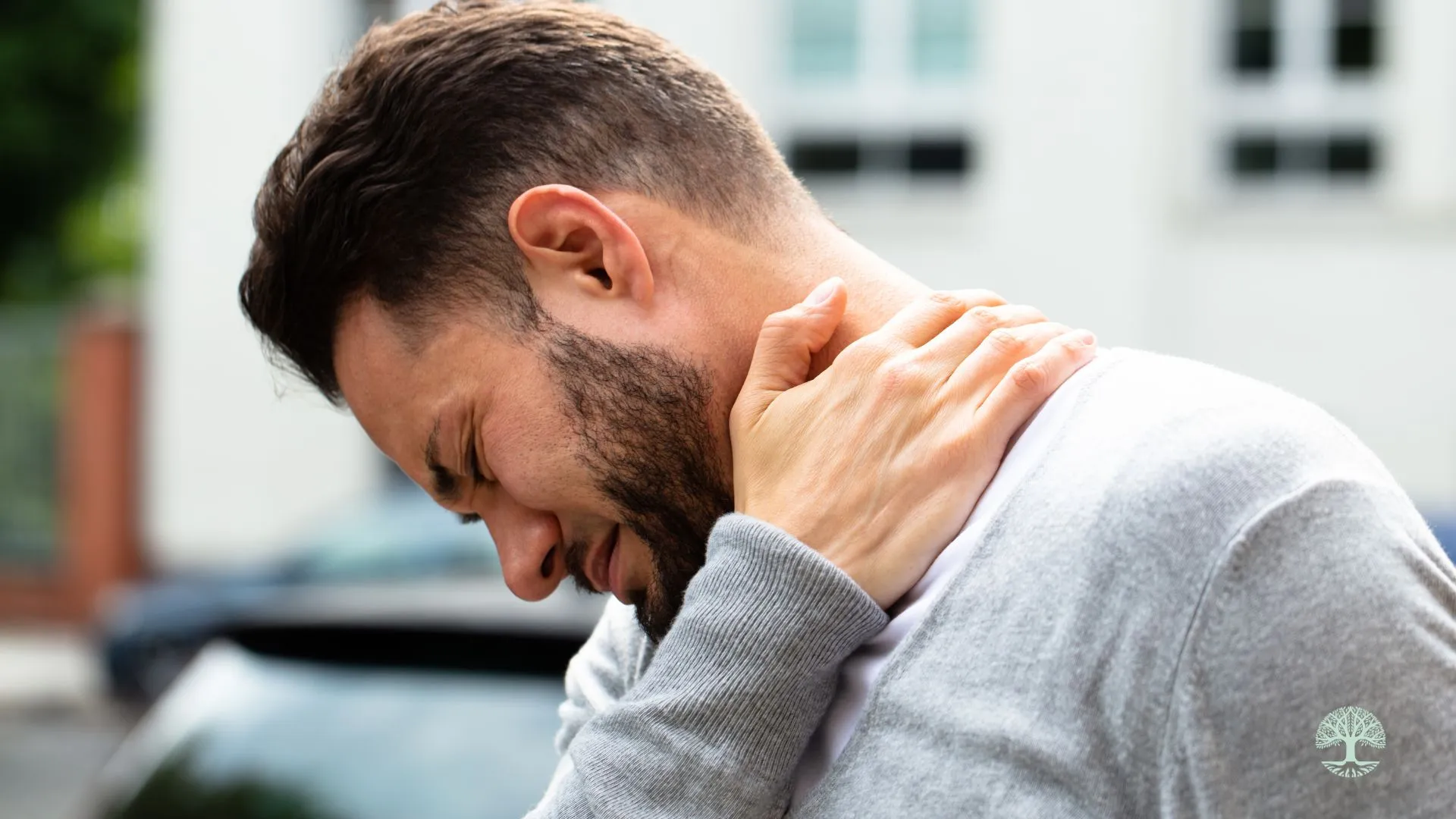
Pain and pain experience
Pain is more than just a physical signal and is influenced by emotions, environment and resilience. Chinese medicine and acupuncture look at pain as a disturbance of movement and balance in the body. By including both physical and emotional factors, there is room for recovery and relief from pain symptoms.

Pain and pain experience
It is estimated that around two million people in the Netherlands suffer from pain every day. Pain can have a major influence on daily functioning and often also has social and personal consequences. For many people, dealing with pain means a long search for relief, often through manual therapy, coaching and medication. Acupuncture is a good fit for this and is one of the most well-known and widely used forms of treatment for pain symptoms, such as low back pain, neck pain, headache and abdominal pain.
Pain is often defined as an unpleasant sensory and emotional experience associated with actual or possible tissue damage. This definition shows that pain is more than just a physical signal.
The impact of pain on daily life
Pain can be so intense that functioning is seriously disrupted. Work, social relationships and family life can come under pressure. Especially in the case of chronic pain or when no clear physical cause is found, this can also be mentally difficult. Lack of understanding from the environment and the inability to properly post the complaint yourself reinforce this tax.
Pain has multiple dimensions: physical, emotional and social. What makes pain complex is that its experience is subjective. The same pain stimulus can be experienced quite differently, depending on someone's condition, energy level, stress load and emotional capacity.
Different forms of pain
When we look at pain, we can roughly distinguish four forms:
Emotional pain with an emotional cause, such as sadness or grief.
Physical pain with an emotional cause, also known as psychosomatic complaints, such as tension headaches, bowel problems or skin reactions.
Physical pain with a physical cause, such as pain after surgery, injury, or accident. This includes nerve pain, which is often intense and persistent.
Emotional strain as a result of long-term physical pain, for example when pain restricts work, hobbies or social contacts.
These forms are not separate from each other, but they influence each other continuously.
The role of emotions in pain
Emotions play an important role in the definition of pain. Emotions not only influence how pain is experienced, but can also reinforce or maintain pain. Pain and emotions are closely intertwined.
Emotions form the link between the outside world and the inner world. Stress, tension and long-term emotional strain can literally throw the body out of balance. This is done, among other things, through hormonal and neurological processes. Stress, for example, releases hormones that affect breathing, heart rate and digestion.
The fact that body and emotions are linked is also reflected in our use of language. Expressions like “a burden off your shoulders”, “have something on your back” or “a knot in your stomach” show how obvious this coupling is.
Pain from Chinese medicine
Within Chinese medicine, there is a clear relationship between body and mind. Pain is seen as a sign that movement in the body is hampered. This may involve a disruption in the flow of energy, blood or body fluids.
When the flow improves, nutrients can reach the area better and waste products are removed more effectively. These are essential conditions for recovery. The treatment therefore focuses not only on the location of the pain, but also on the pattern that maintains the pain.
Acupuncture is used to support this flow. Depending on the situation, heat treatment and other supportive techniques can also be used to promote movement and recovery.
Movement and recovery
Exercise is a fundamental principle of health. The body is constantly moving: breathing, circulation, digestion and nervous activity never stop. When this dynamic gets stuck somewhere, complaints arise.
The body has a great self-healing capacity and often tries to absorb disturbances on its own. When the load lasts too long, this power is exhausted. The treatment then works to restore movement and reduce overload.
Small forms of movement can also help with this. Within your own capabilities, walking, light mobilization or stretching around a painful area can already be supportive.
What about pain symptoms?
Chinese medicine and acupuncture can provide support for a variety of pain symptoms, both acute and chronic. This looks at the whole thing: physical signals, emotional strain and lifestyle.
In practice, we are happy to think along with you about what your body needs to get moving and balance again. Pain is not an isolated problem, but a signal that invites attention and recovery.
References
- Huygen, F. — Pain belongs to everyone and no one
- Definition of pain — Wikipedia
- Information about neuralgia (neuropathy)
- Rainville, P. & Huynh Bao, Q.V. — Pain-related emotions modulate experimental pain perception and autonomic responses
- Takayama, S. & Watanabe, M. — Evaluation of the Effects of Acupuncture on Blood Flow in Humans