Get rid of the winter blues
The transition from winter to spring requires a lot from the body. Within Chinese medicine, this is a shift from rest and preservation to movement and growth. When the winter has offered insufficient recovery, this can lead to spring fatigue. With lifestyle, exercise and support from acupuncture and Chinese herbs, the body can be helped to make this transition smoother.
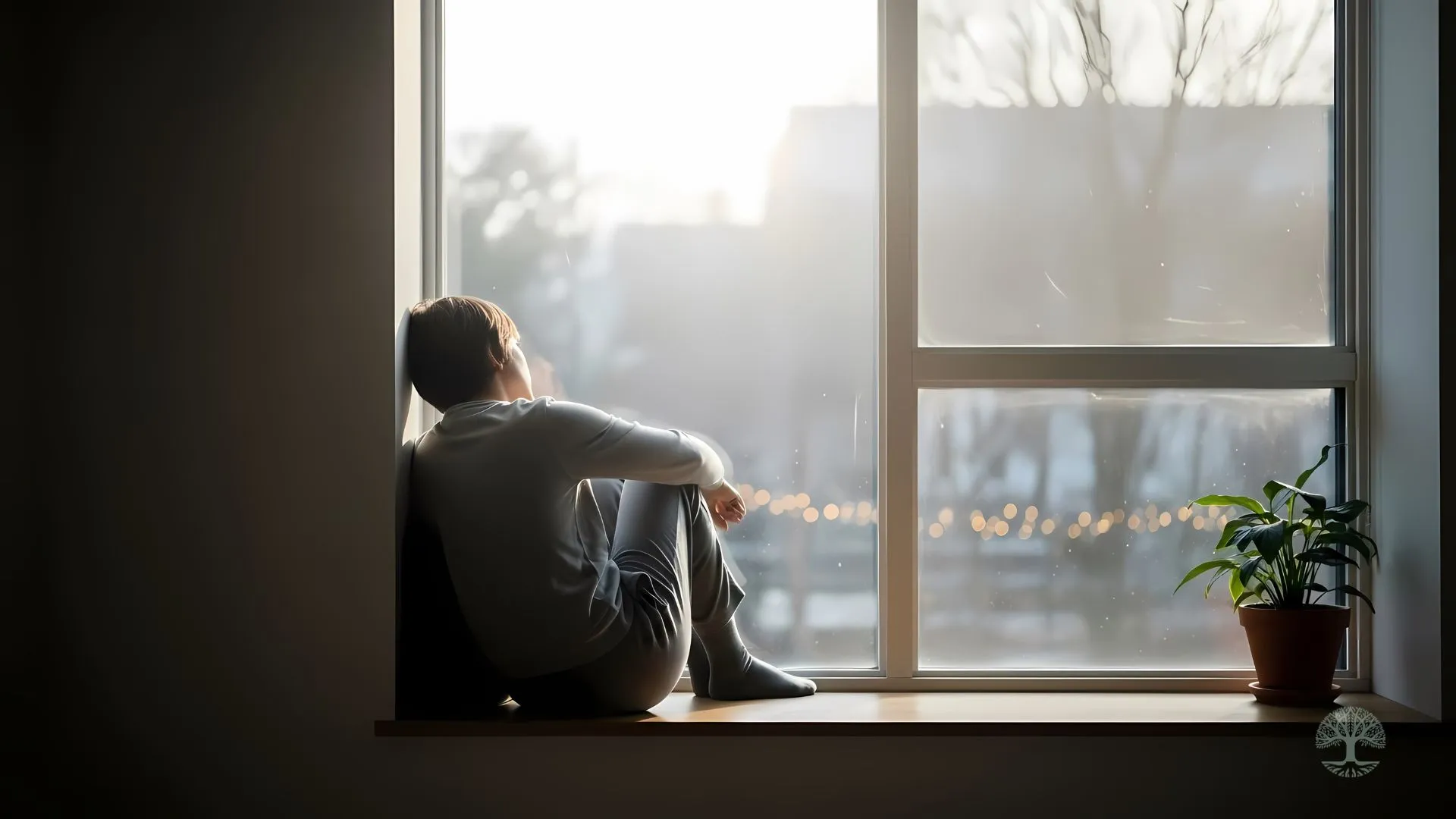
Winter, save energy and get into spring well
Winter is a period of retreat, reflection and — ideally — rest. This phase is preceded by autumn, a time marked by drought in Chinese medicine. This is reflected in nature: leaves wither and fall, life slowly withdraws from sight.
This is not a sign of decline, but of preparation. Nature saves energy to survive the cold period and to re-emerge when conditions become more favorable.
A similar process takes place in the human body. In winter, hands and feet get cold more quickly when you're outside. The body draws heat and blood flow back in, so that the vital organs remain protected. In Chinese medicine, this is a healthy and necessary mechanism.
Winter energy according to Chinese medicine
Within the TCM, winter belongs to the Water element and to the Kidneys. This system stands for reserves, recovery, vitality and survival. Winter therefore requires rest, simplicity and saving energy.
During this period, if we structurally cross our borders, take insufficient rest or take in too little nourishing warmth, this can be at the expense of our reserves. This can already manifest itself in the winter in reduced immunity, colds or gloom, but the consequences often only become noticeable later.
From winter to spring: a big transition
The transition from winter to spring is energetically the biggest change of the year. From the silent, inward energy of winter, the body moves to the upward, dynamic energy of spring. In Chinese medicine, this spring energy is part of the Wood element: growth, movement and expansion.
How well you got through the winter largely determines how smooth this transition is. When reserves are exhausted or when cold, drought and downtime have gotten too much grip, the body can have trouble getting back on track.
This can manifest itself in what is often referred to as spring fatigue.
From winter blues to spring tiredness
In winter, circulation decreases, we often move less and exposure to sunlight is limited. In addition, colds or flu can further weaken the body. When these factors accumulate, blockages remain in the flow of energy and blood.
When spring arrives and everything wants to get moving again, this sometimes doesn't work out well. The body feels heavy or slow and literally and figuratively does not get going. Complaints that can occur include fatigue, headache, abdominal pain, nausea, chest or flank pain and variable stools.
What can you do to support the transition?
In the long term, a good spring starts as early as autumn and winter. Sufficient rest, regularity and nutritious food are essential to build up reserves. Sufficient vitamin D also plays a role in this.
If you are generally healthy and have few symptoms, exercise is one of the best ways to help the body switch to spring. Walking, light cardio and gentle stretching exercises help to get circulation going and release tension.
From a TCM perspective, it is important to keep the liver energy moving smoothly in the spring. Too much downtime can increase symptoms, while gentle, regular exercise is supportive.
When obvious symptoms have already arisen, acupuncture and Chinese herbs can help to remove blockages, support circulation and bring the body back into balance. This gives the system the space to adapt to the new season.